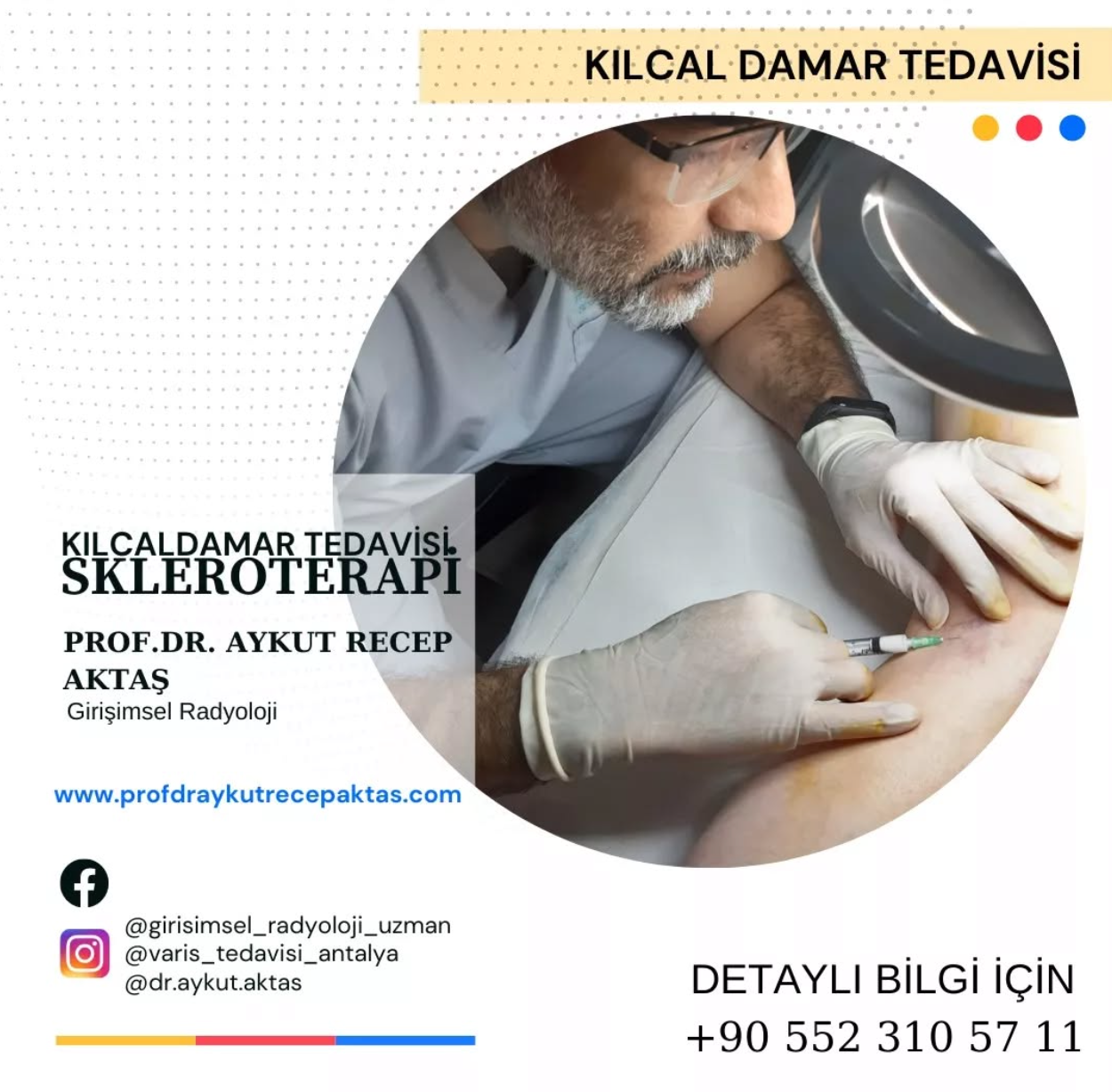
Do Capillary Vein Formations in Legs Disappear on Their Own? An Interventional Radiology Perspective
Capillary vein formations on the legs, medically termed telangiectasias, typically manifest as fine red, purple, or blue lines resembling a spider's web, close to the skin's surface. This condition is quite common, especially among women, and often causes aesthetic concern. One of the questions my patients frequently ask me is, "Will these veins disappear on their own?" As Prof. Dr. Aykut Recep Aktaş, an Interventional Radiology Specialist, I would like to shed light on this matter.
Why Do Capillary Vein Formations Occur and Do They Disappear Spontaneously?
Capillary vein formations result from the dilation of small veins close to the skin. Many factors can trigger their appearance, including genetic predisposition, hormonal changes (pregnancy, menopause), prolonged standing, obesity, and sun damage. However, one of the most crucial points is this: these veins do not disappear on their own. On the contrary, their number may increase over time, or existing ones may become more prominent. Therefore, hoping for them to fade away by waiting is generally a futile expectation.
Beyond Cosmetic Concerns: They Can Signal Venous Insufficiency
While capillary vein formations are often perceived merely as an aesthetic issue, for me, as an Interventional Radiologist, they carry a much deeper significance. This is because they can be an early indicator of underlying venous insufficiency, meaning the valve system in your veins is not functioning correctly. Veins are responsible for carrying blood back to the heart. If these valves do not close properly, blood can pool in the legs, increasing pressure on the veins and potentially leading to larger varicose veins and even severe skin problems over time.
The Importance of Early Intervention: Why You Should Consult a Specialist
Therefore, it's crucial not to view capillary vein formations solely as a cosmetic flaw, but rather as a potential warning sign from your body. A detailed examination and ultrasonography performed by an Interventional Radiologist in the early stages are critically important for detecting underlying venous insufficiency. This allows us to intervene with appropriate treatment options before the problem escalates and becomes more complicated.
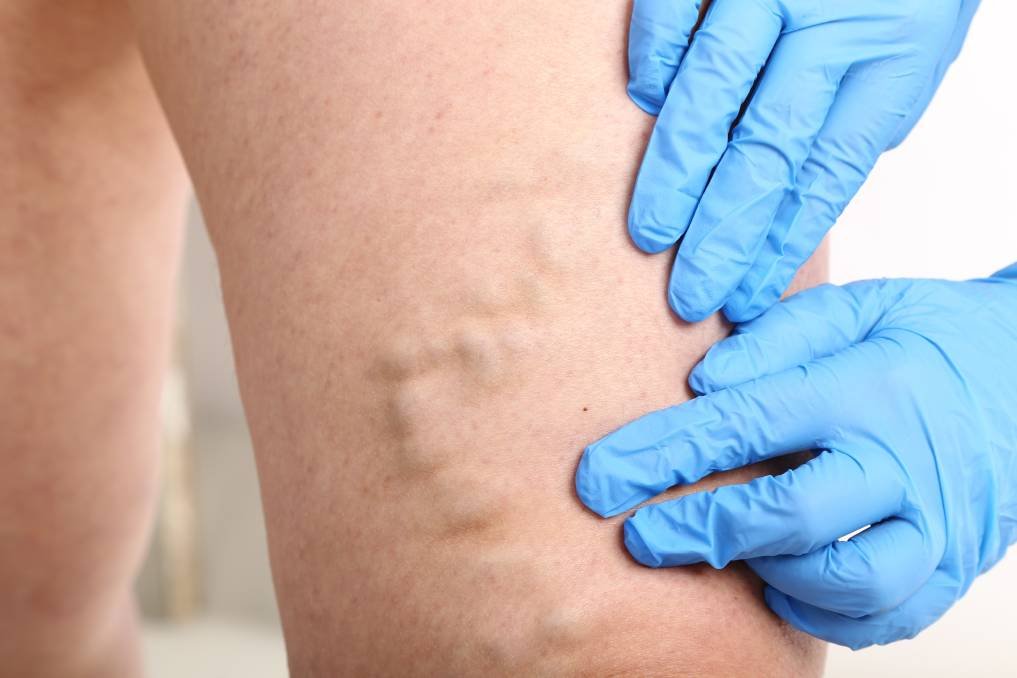
Treatment for Capillary Vein Formations: Minimally Invasive Methods
Today, numerous effective and minimally invasive methods are available for the treatment of capillary vein formations. The modern techniques we apply in Interventional Radiology offer more comfortable solutions for patients with faster recovery times. With methods such as sclerotherapy (foam or liquid injection) and laser treatment, we can significantly improve the appearance of these veins and resolve underlying venous insufficiency issues. The key is to make an accurate diagnosis and determine the most suitable, personalised treatment plan.
Our Interventional Radiology Approach to Treatment
As Interventional Radiologists, we specialise in performing diagnosis and treatment using minimally invasive methods – that is, without surgical incisions, but through needle punctures. We adopt this same principle in treating capillary vein formations. Our goal is not merely to eliminate visible veins, but also to address underlying vascular health issues at their root, thereby preventing the progression of the condition. This proactive approach helps to avert more serious health problems in the long term.
Conclusion and Recommendation
The capillary vein formations on your legs will not disappear on their own and usually require specialist intervention. Remember that these veins are more than just a cosmetic concern; they can be a harbinger of underlying venous insufficiency. Early diagnosis and treatment are vital for both improving your cosmetic appearance and preventing potential future health problems. For all our minimally invasive treatment options in Interventional Radiology, please visit the Prof. Dr. Aykut Recep Aktaş website.